
Alright, let’s talk shop – and by shop, I mean the Indian stock market, specifically the recent buzz around Adani Enterprises’ exit from AWL Agri. Now, on the surface, it might seem like just another business transaction, but trust me, there’s a lot more to unpack here. Why did they exit? What does it mean for Adani Wilmar? And most importantly, what does it signal about the broader agricultural landscape in India? These are the questions we’re going to dive into today. Let’s be honest, sometimes these financial moves feel like reading tea leaves, but let’s make sense of it together.
The Curious Case of the Adani Exit | Decoding the “Why”
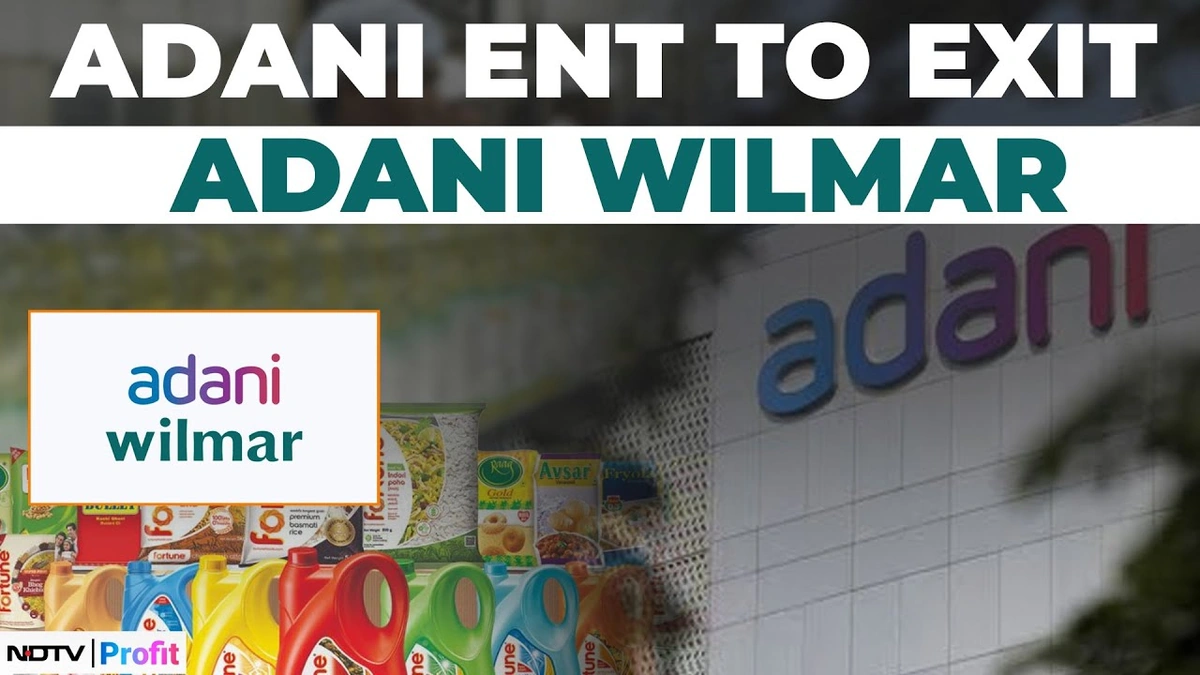
So, Adani Enterprises decided to finalize their exit from AWL Agri. Big deal, right? Well, consider this: Adani Group has been strategically restructuring its portfolio after that short seller report earlier this year. While the official line might be about streamlining operations or focusing on core sectors, the truth is often a bit more nuanced. What fascinates me is how quickly the market reacts to these decisions. The high demand for the stake sale suggests that investors still see value in AWL Agri, even without the direct involvement of Adani Enterprises.
Think of it like this: it’s like a popular restaurant changing ownership. Sure, the initial buzz might die down, but if the food is still good (read: if the company’s fundamentals are strong), people will keep coming back. The strong investor interest after the stake sale indicates confidence in AWL Agri’s potential. It seems some investors see this as an opportunity to get in on a promising agricultural venture, potentially free from some of the baggage associated with the larger Adani Group. This restructuring reflects a strategic pivot, potentially to deleverage and refocus on core infrastructural projects. The market response is telling; it hints at underlying strength within AWL Agri itself.
What This Means for Adani Wilmar and the Agri Sector
But, here’s the thing: Adani Wilmar (AWL) is still very much in the picture. AWL Agri, as a subsidiary, plays a crucial role in the supply chain. The exit of Adani Enterprises as the parent company doesn’t necessarily disrupt this relationship. It’s more of a reshuffling of the deck than a complete overhaul. The agricultural sector in India is a complex beast. It’s heavily regulated, subject to unpredictable weather patterns, and often plagued by inefficiencies in the supply chain. Companies like AWL Agri are trying to tackle these challenges by investing in infrastructure, technology, and sustainable farming practices. The high demand for the stake signals a belief in the potential for growth and profitability in this sector, despite the inherent risks. India’s agricultural landscape is witnessing increased investment, signaling optimism. The exit highlights the evolving dynamics within the company.
Now, what about the future? Will AWL Agri continue to thrive under new ownership? It depends on several factors: their ability to maintain strong relationships with farmers, their efficiency in managing the supply chain, and their adaptability to changing market conditions. I initially thought this would be a straightforward transaction, but it reflects a broader trend of strategic realignment within large conglomerates. The implications of these strategic moves have far-reaching consequences for the industry, shaping future investment decisions. As more information surfaces, we can assess the long-term repercussions.
Investor Confidence and the Future of AWL Agri
The real takeaway here is investor confidence. Despite the controversies surrounding the Adani Group, investors are still willing to bet on the potential of AWL Agri. This speaks volumes about the underlying strength of the company and the attractiveness of the Indian agricultural sector. But, let’s not get carried away. The market can be fickle, and investor sentiment can change quickly. It’s crucial for AWL Agri to continue delivering strong results and building trust with stakeholders.
And, it is essential to note that the financial health of AWL Agri is crucial for its future prospects. Maintaining investor trust and attracting further investment hinge on delivering consistent performance. The market dynamics will continue to evolve, presenting both challenges and opportunities for companies in the agricultural sector. One common mistake I see people make is assuming that a single transaction like this is an isolated event. In reality, it’s often part of a larger strategic plan. Understanding the underlying motivations behind these moves is key to making informed investment decisions. You can find more information on similar topics on Wikipedia and other business related websites Wikipedia
Final Thoughts | Beyond the Headlines
So, what’s the ultimate takeaway from this Adani Enterprises exit and the subsequent high demand for AWL Agri’s stake sale? It’s a testament to the resilience and potential of the Indian agricultural sector. Despite the challenges and uncertainties, investors are still bullish on the long-term prospects. And, while the Adani Group’s restructuring might raise some eyebrows, it also presents an opportunity for AWL Agri to forge its own path and establish itself as a leader in the industry. The Adani Wilmar stake sale is just one piece of a much larger puzzle. By connecting the dots and understanding the underlying motivations, we can gain a deeper appreciation for the complexities of the Indian stock market and the agricultural sector. Ultimately, this is not just about one company’s exit; it’s about the evolving landscape of Indian business and the enduring appeal of its agricultural sector.
FAQ | Decoding the Adani Enterprises and AWL Agri Scenario
Why did Adani Enterprises finalize its exit from AWL Agri?
Adani Enterprises’ exit is likely part of a broader strategy to streamline operations and focus on core infrastructure projects, especially after recent market scrutiny.
What does this mean for Adani Wilmar (AWL)?
While Adani Enterprises exited AWL Agri, AWL remains a key player. This reshuffling could allow AWL Agri to operate more independently.
Is AWL Agri still a good investment after this exit?
The high demand for the stake sale suggests continued investor confidence in AWL Agri’s potential within the Indian agricultural sector.
How will this affect the Indian agricultural sector?
The transaction highlights ongoing investor interest in the agricultural sector, even amidst market volatility and corporate restructuring.
What factors will determine AWL Agri’s future success?
Maintaining strong farmer relationships, efficient supply chain management, and adaptability to changing market conditions are crucial.
Where can I find more info on AWL Agri’s performance?
Monitor financial news outlets and company statements for updates on AWL Agri’s financial performance and strategic direction.


Leave feedback about this